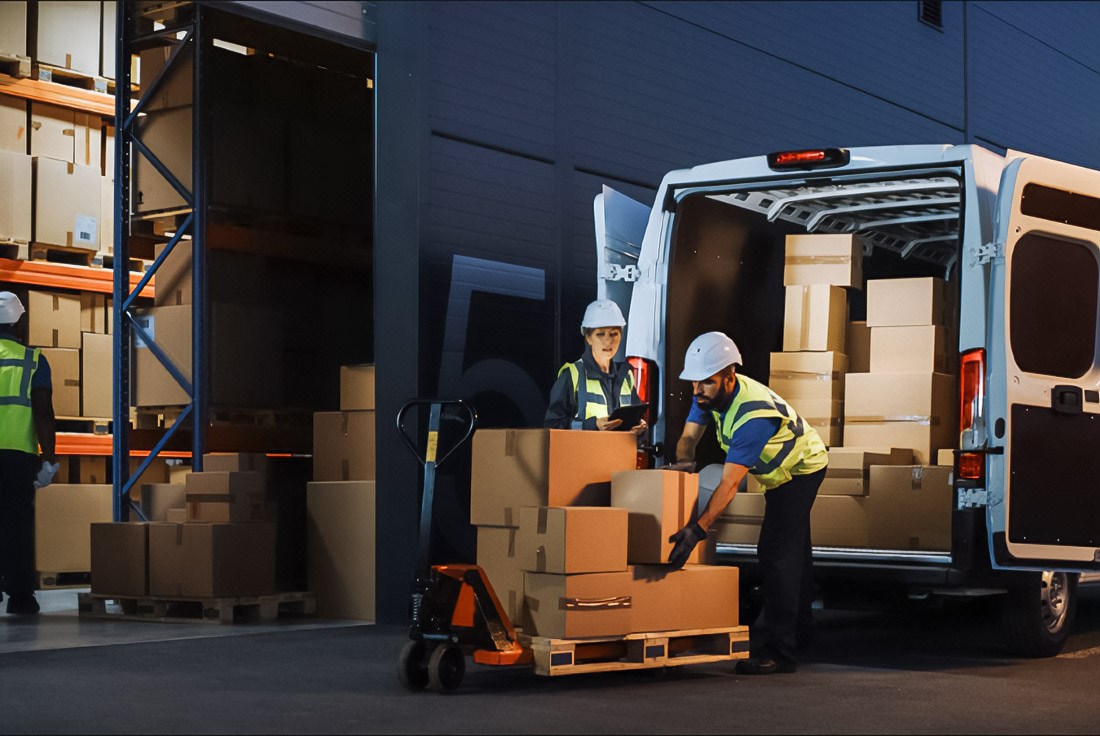
In recent years, reverse logistics has become one of the most critical systems for e-commerce across the Middle East. With the rapid growth of online orders and up to 30% of them being returned, refund management has evolved from a secondary process into a strategic pillar. It’s not just about handling returns but also about restoring, reselling, recycling, repairing, and reusing products. This intersection of efficiency and responsibility defines both the economic and environmental impact of modern commerce.
Refunds have a direct influence on how customers perceive service quality. Studies show that 67% of buyers review a company’s return policy before purchasing, while 84% avoid repeat orders after a negative return experience. In addition, 79% of shoppers now expect free returns, placing growing pressure on sellers to create transparent, reliable, and quick reverse logistics systems.
Refund Management and Technology
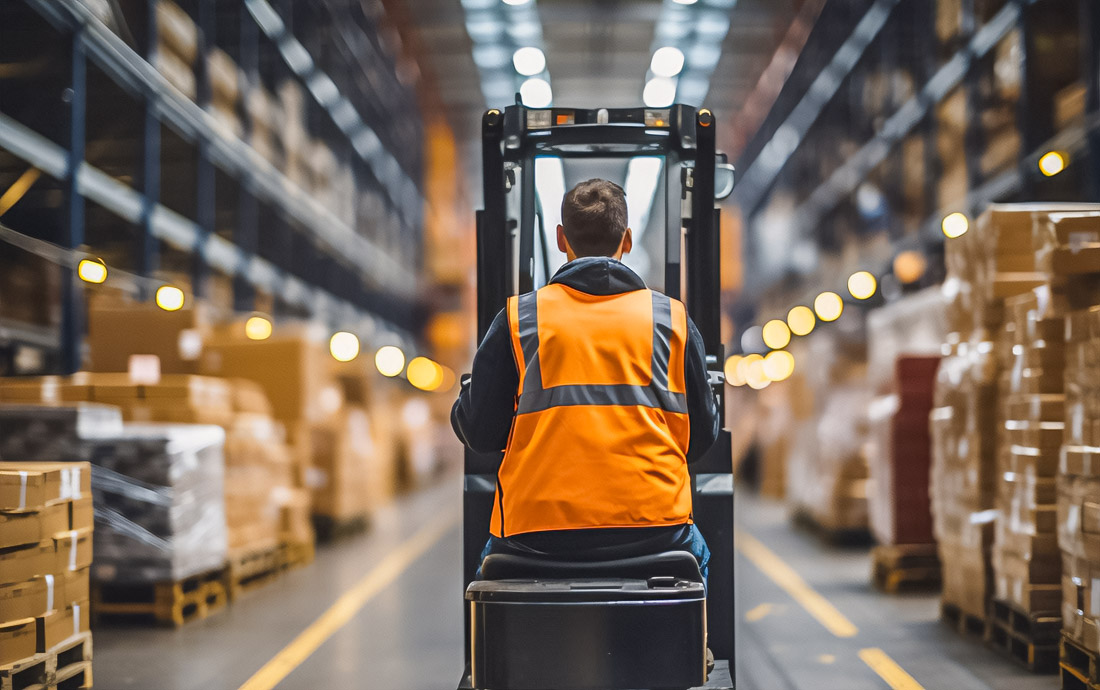
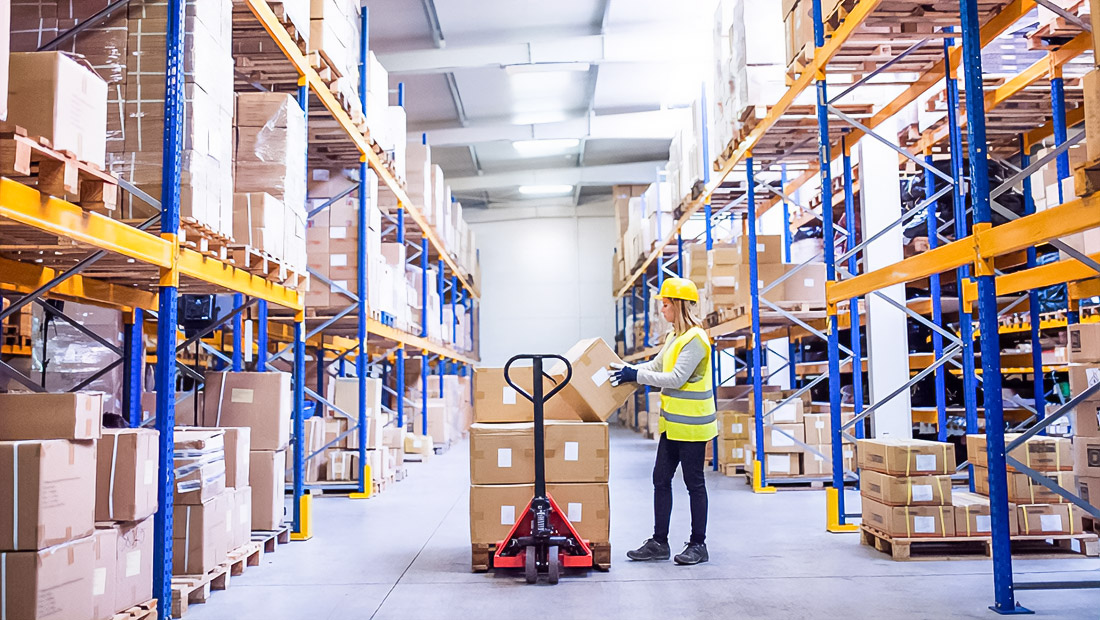
The new generation of refund management relies heavily on automation. Return portals, digital authorization, smart sorting and inspection systems, along with triage and routing tools, are now standard. Each product passes through grading and disposition stages a data-driven decision on whether it should be resold, repaired, or recycled. Automation has significantly accelerated this process, reducing average return times from 10 days to as little as 2, while improving traceability to 98%.
Warehouse management systems (WMS), advanced inventory tracking, and KPI-based analytics play a central role in logistics hubs. These systems help estimate the recovery rate of returned goods, average refund time, recycling-to-disposal ratios, CO₂ emission levels, and process efficiency. Using API integrations and real-time analytics dashboards, businesses can continuously monitor routes, stock levels, and return statuses particularly within high-volume operations such as ecommerce fulfillment Dubai, where precision, speed, and visibility are crucial to maintaining customer satisfaction.
Value Recovery and Circular Economy
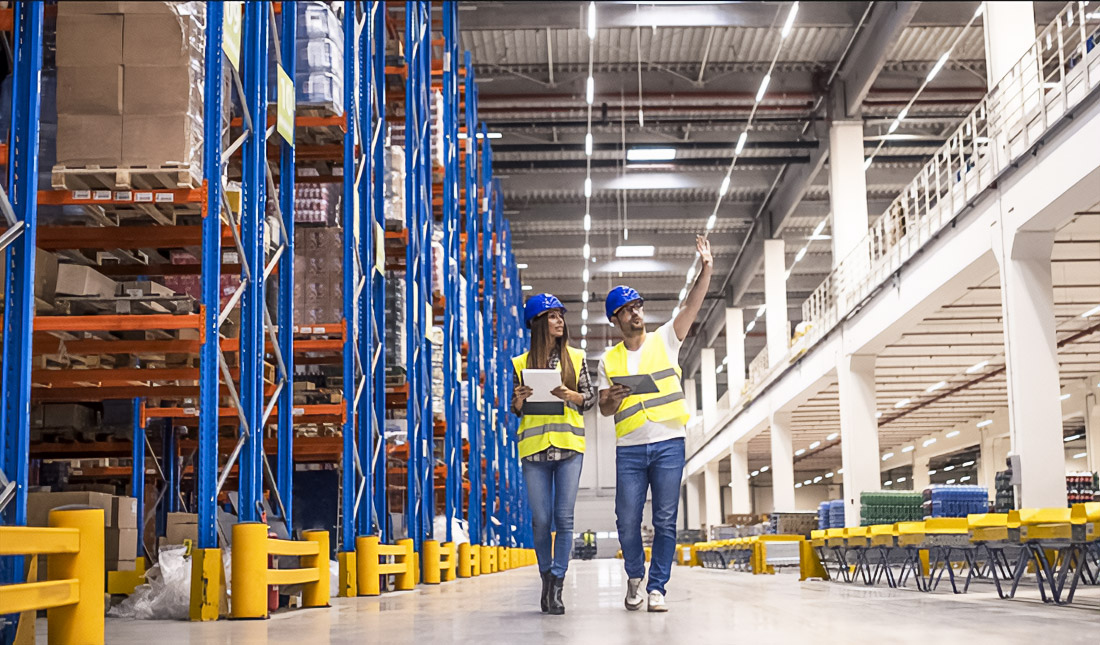
Reverse logistics aligns closely with the principles of the circular economy. It includes repair, recycling, remanufacturing, and responsible waste management each aimed at extending product life cycles. Refurbishment programs can recover up to 27% of total losses, reduce landfill contributions by more than 40%, and significantly lower the carbon footprint. Within return centers, items are carefully classified as resellable, repairable, or recyclable to ensure maximum value recovery.
Particular attention is paid to end-of-use and end-of-life products that have reached the conclusion of their operational lifespan. These are redirected to regional facilities that comply with strict environmental and ESG standards. Centralized processing hubs are often located in free economic zones, benefiting from duty deferment and inward processing relief frameworks designed to support sustainability initiatives.
Omnichannel Refunds and Customer Experience
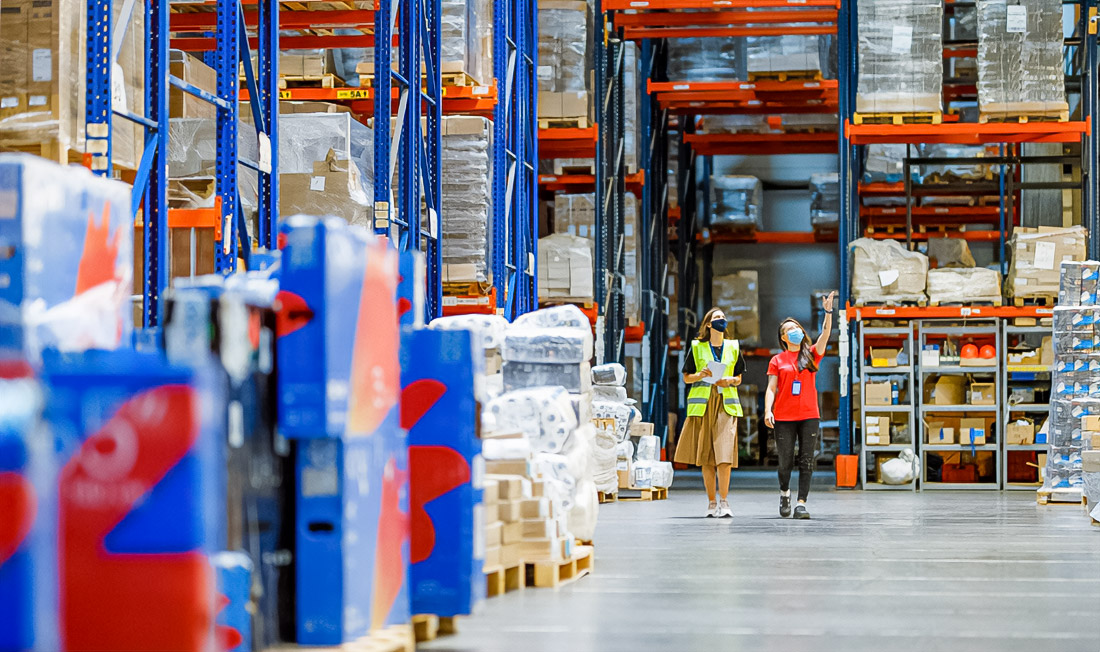
Modern consumers demand flexibility. The ability to return an online purchase to a physical store known as the BORIS (Buy Online Return In Store) model is now considered essential. To make this possible, retailers must synchronize return flows across channels, integrate with marketplaces, and automate status updates. Transparent return policies directly enhance customer loyalty and retention, serving as a competitive advantage in crowded e-commerce markets.
The Regional Outlook
The Middle East is making measurable progress toward the Vision 2030 and Net Zero 2050 goals, embedding sustainable logistics at the heart of its economic strategy. The region’s reverse logistics market, valued at around $38 billion, continues to expand rapidly. Growth is fueled by the spread of recycling facilities, broader ESG compliance, and investment in reuse programs that transform waste into value.
Today, reverse logistics is no longer viewed merely as an operational expense. It has become a strategic asset one that simultaneously manages cost efficiency, environmental responsibility, and consumer trust. Through advanced return systems, recycling, repair, and automation, the Middle East is shaping a new era of e-commerce: efficient, sustainable, and future-ready.

I am a career coach with more than 5 years of experience, helping job seekers navigate their job search through individual coaching, webinars and events.